
Agricultural
Experiment
Station
Lajas, Puerto Rico

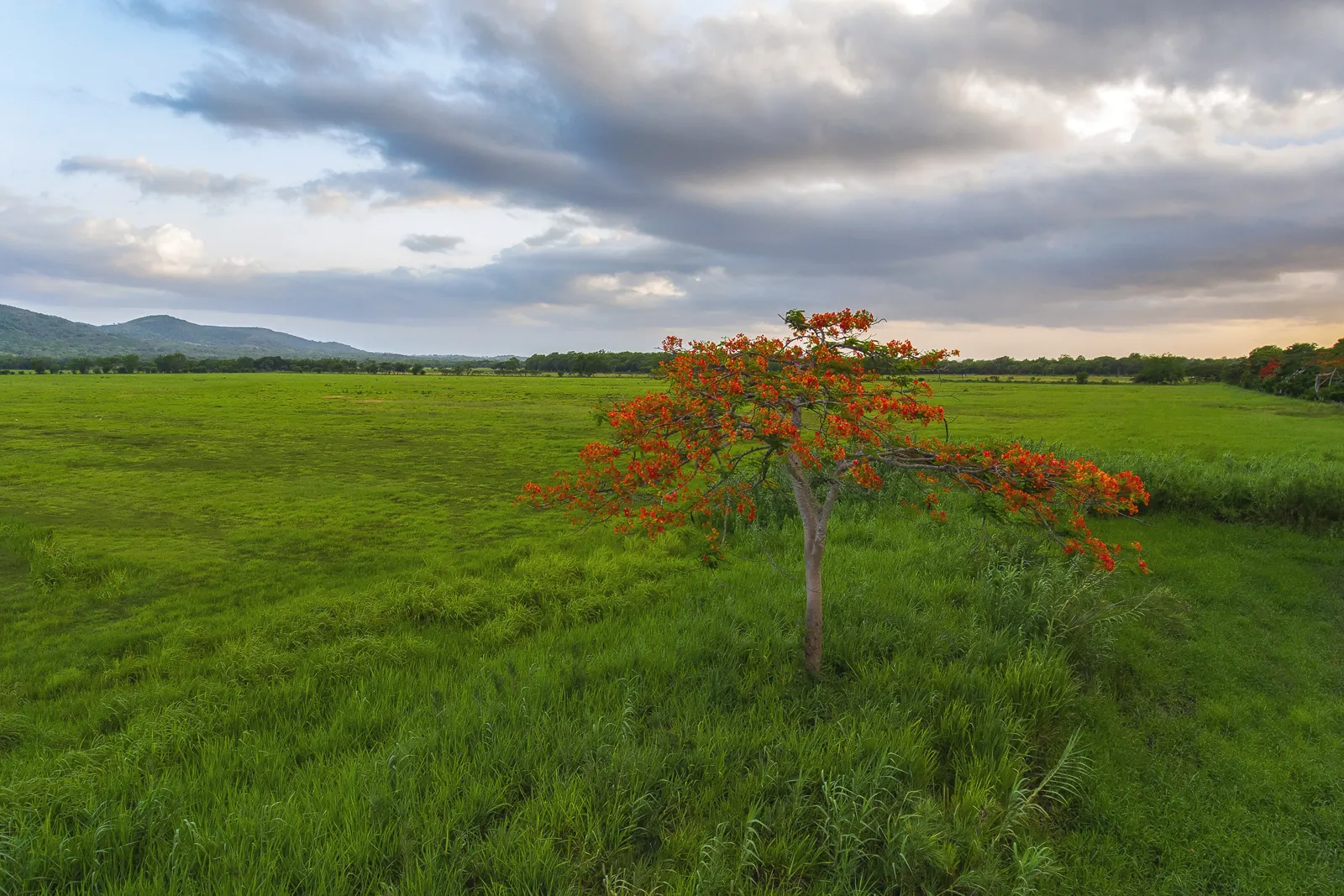
While predominantly flat in appearance, the Lajas Valley surprises with subtle changes in the landscape, resulting in variations in soil types that support diverse agroecosystems.
The Agricultural Experiment Station of Lajas is a gem for agriculture. It is located in the southwest of Puerto Rico, situated in the Lajas Valley, and spans approximately 32,500 acres of land. The Lajas Valley extends eastward, connecting with the Río Loco and Guánica Bay, and westward, linking to Boquerón Bay.
Custodians: UPR - Mayagüez University Campus
Duration: 1-2 hrs approx.
easy
wear appropriate footwear, bring plenty of water, use sun protection, visit during the hours of least sun.
Information center, seed and crop sales, bathrooms, free parking.
Monday to Friday, from 7:00am - 3:30pm.
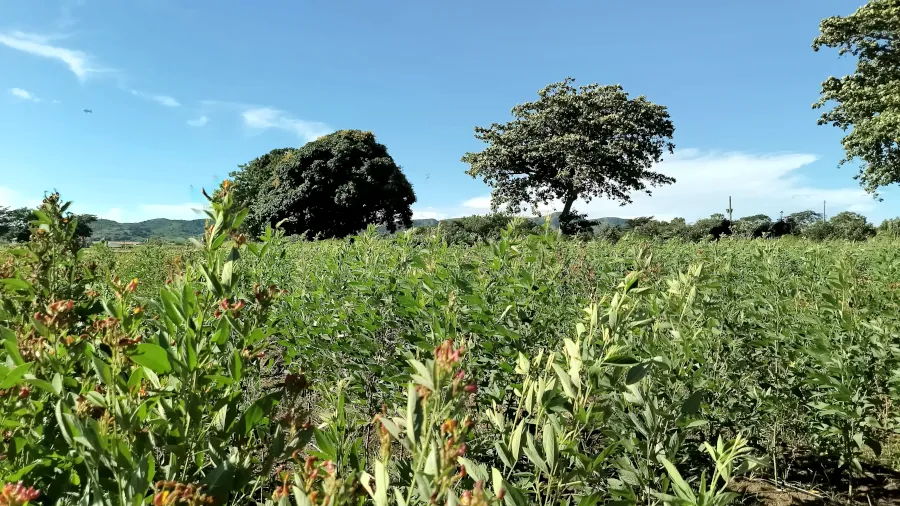
The Agricultural Experiment Station (AES) is an institution integrated into the Mayagüez Campus of the University of Puerto Rico (UPR-RUM). The AES in Lajas is one of six agricultural experiment stations in Puerto Rico.
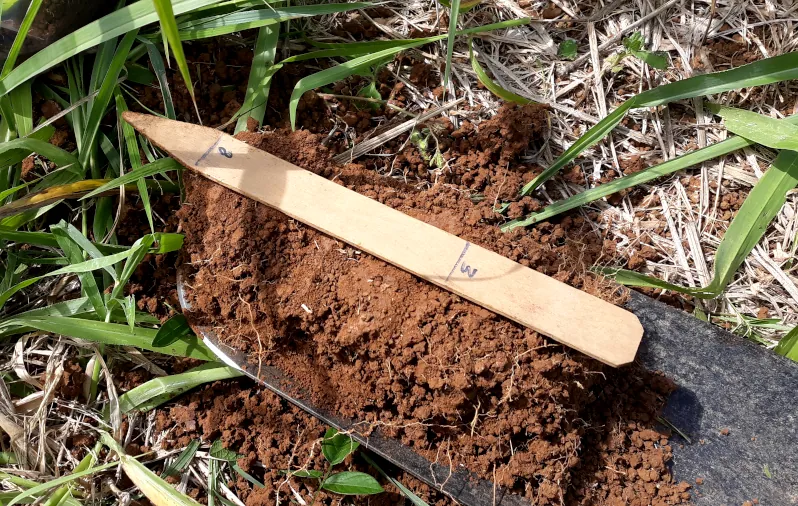
In 1946, the agricultural station was established with the purpose of conducting research to determine the optimal crops and practices for this specific region.
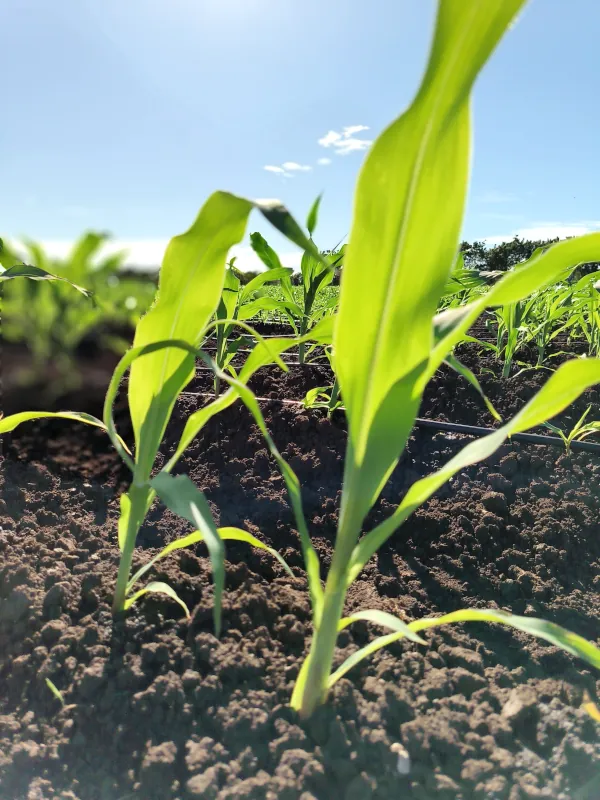
Being linked to the University of Puerto Rico enables effective knowledge transfer and the implementation of advanced technologies to adapt to climate conditions, promote environmental sustainability, and strengthen food security in Puerto Rico.
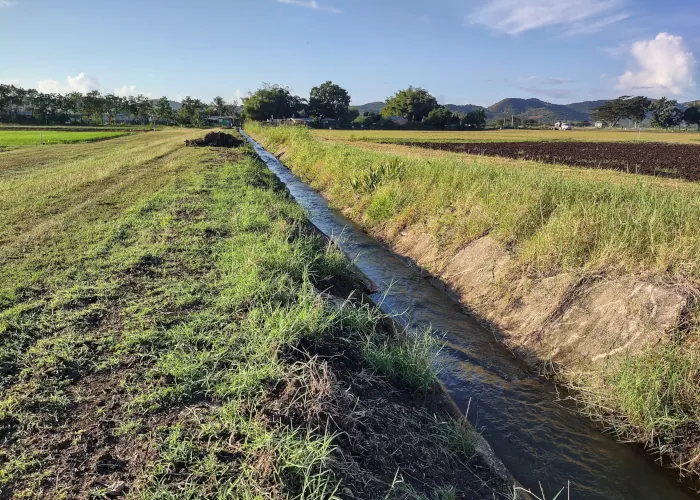
The Lajas Valley faces climatic challenges that require a supplemental irrigation system and a drainage system. These functions are crucial in protecting agricultural lands from flooding, regulating surface water flow, and maintaining the aquifer’s water table.
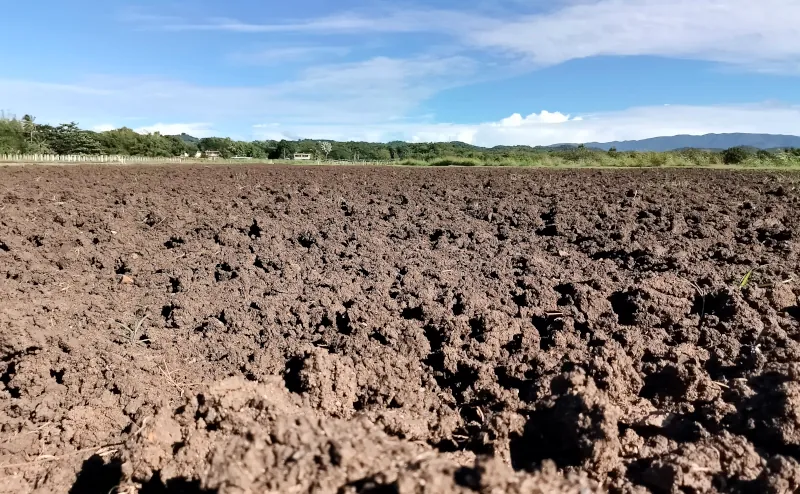
Clays with 2:1 expansion capacity generate impermeability in the soil, which, in the absence of a drainage system, would result in floods and anoxic conditions harmful to plants. In addition, the high concentrations of salts in groundwater have historically limited their usefulness. The drainage system prevents an increase in the water table, which due to high concentrations of salts could damage crops.
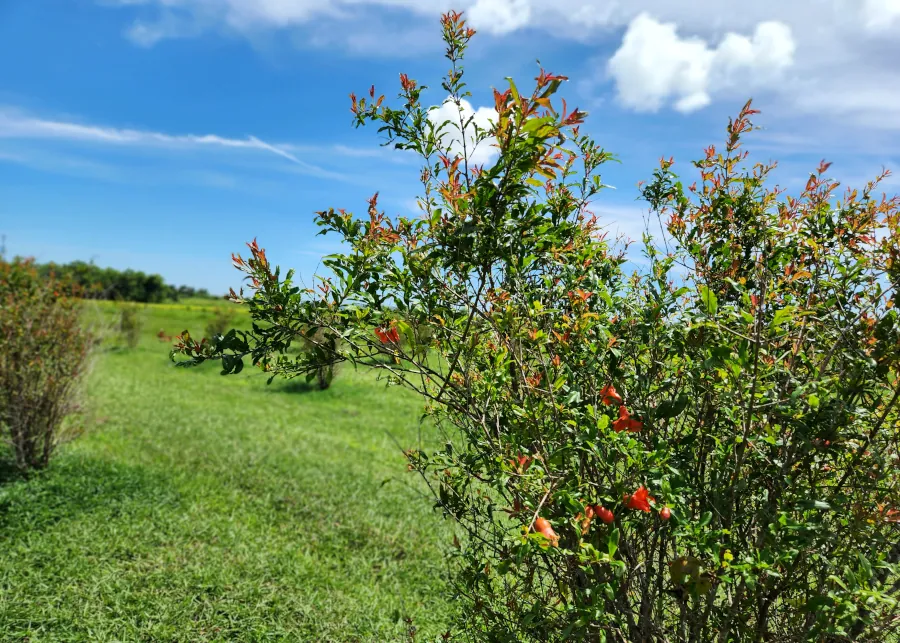
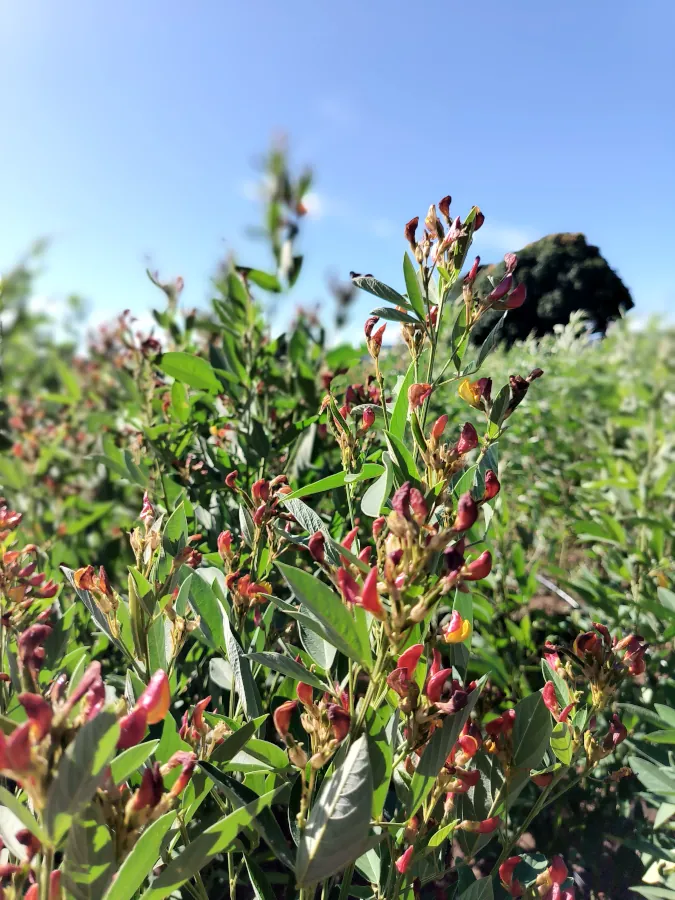
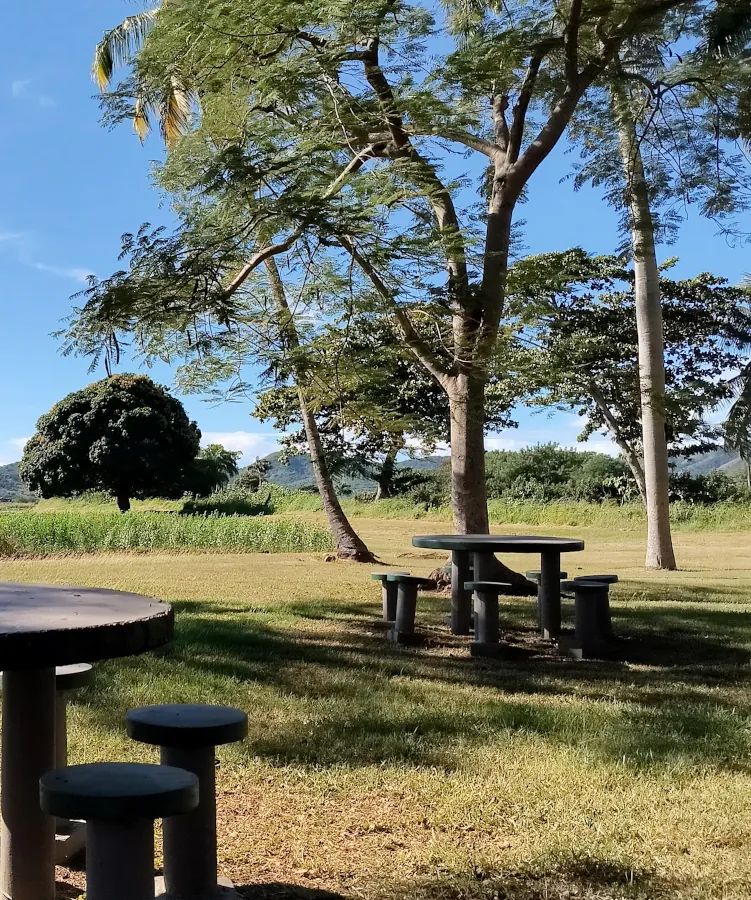
Soils
In EEA, soils from the Fraternidad, Mariana and San Antón series predominate.They are very deep soils located in a tropical semi-arid climate. The Fraternidad soil is rich in clay with expansive capacity, forming “slickensides” in the aggregates, referring to the polished and smooth surfaces found on the faces of vertical cracks or fissures within the soil. Likewise, the Mariana soil is rich in clay with speckles of different colors in its profile that range from red, pink to yellow. In EEA, you will be able to appreciate the Fraternidad and Mariana soil in all its splendor from its landscape and vegetation to its profile and horizons. Can you identify differences between Fraternidad and Mariana in its profile?
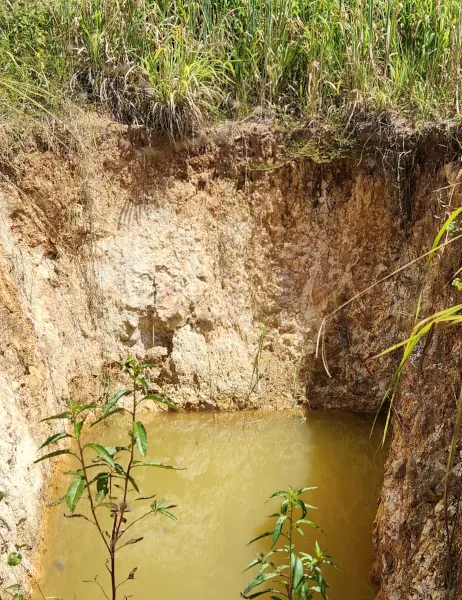
Series: Mariana
Order: Ultisol
Taxonomic name: Fine, mixed, active, isohyperthermic Typic Haplohumults
General description: The Mariana soil series are composed of very deep, well-drained, and moderately permeable soils. They were formed from colluvium and residue that eroded from basalt lava and tuff. Slopes vary between 12 and 40 percent.
Interesting Notes:
- Series with an extension of 1,161 acres, located in the southwestern area of Puerto Rico.
- Most areas are used for naturalized grasslands or pineapple plantations.
Series: San Anton
Order: Mollisol
Taxonomic name: Fine-loamy, mixed, superactive, isohyperthermic Cumulic Haplustolls
General description: The San Antón soil series are composed of very deep, well-drained, moderately permeable soils on floodplains. They were formed in stratified alluvial deposits that were eroded from volcanic rock and limestone. Slopes vary between 0 and 12 percent.
Interesting Notes:
- Its name comes from the first place where this soil was characterized, the San Antón neighborhood of Ponce.
- Has an area of 8,584 acres in the south of Puerto Rico.
- Has occasional flooding.
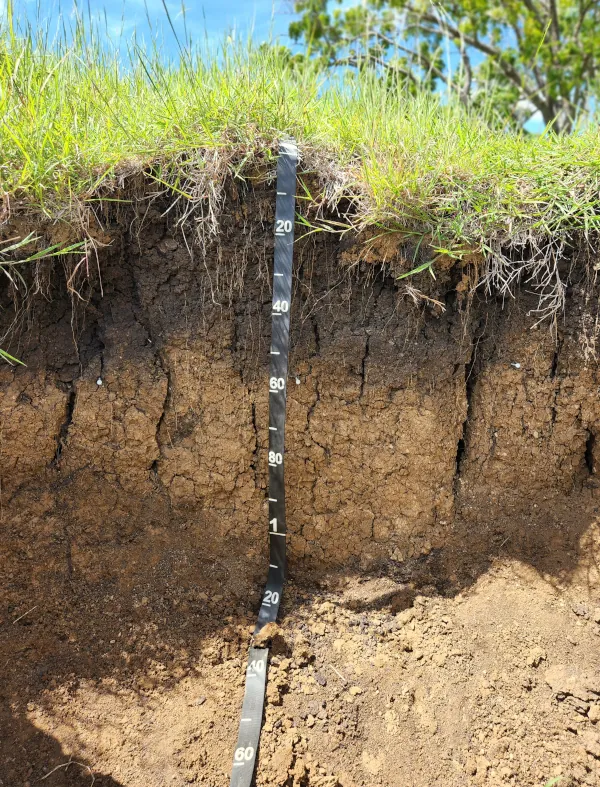
Series: Fraternidad
Order: Vertisol
Taxonomic name: Fine, smectitic, isohyperthermic Typic Haplusterts
General description: The Fraternidad series consists of very deep, moderately well-drained soils with very slow permeability. It is located in the Semi-Arid Coastal Plains area. They were formed in clayey sediments that were eroded from volcanic rock and limestone. Slopes range from 0 to 12 percent.
Interesting Notes:
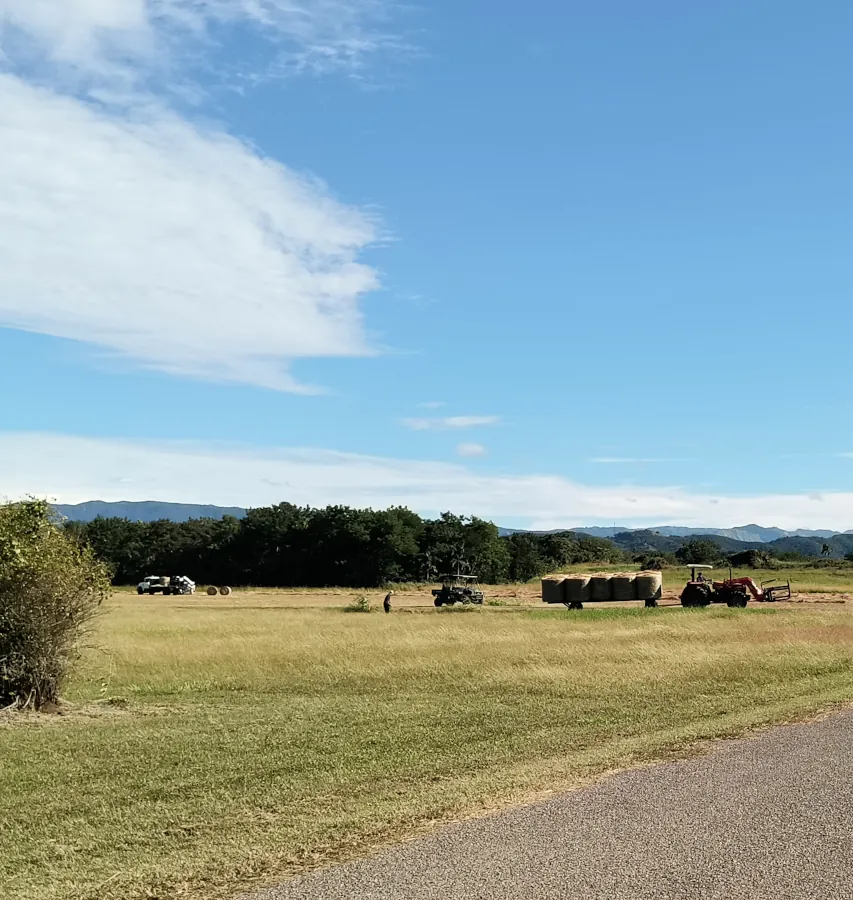
- Most areas are used for cash crops and some areas are used for hay meadows and native grasslands.
- They are found in flood plains.
- It extends throughout the Lajas Valley.
- Some areas are dedicated to hay meadows and native grasslands.
This Web Soil Survey map contains scientific information detailing the taxonomy (classification) of soils. The taxonomic classification of soils is summarized in abbreviations. By selecting these abbreviations, you will be able to access the soil series corresponding to that area. The soil profile is provided with its respective horizons (layers) for each soil. This information is provided by the National Cooperative Soil Survey compiled by NRCS (Natural Resources Conservation Service). It is considered one of the largest and most comprehensive databases in the United States.