
El Yunque
National
Forest
Rio Grande, Puerto Rico

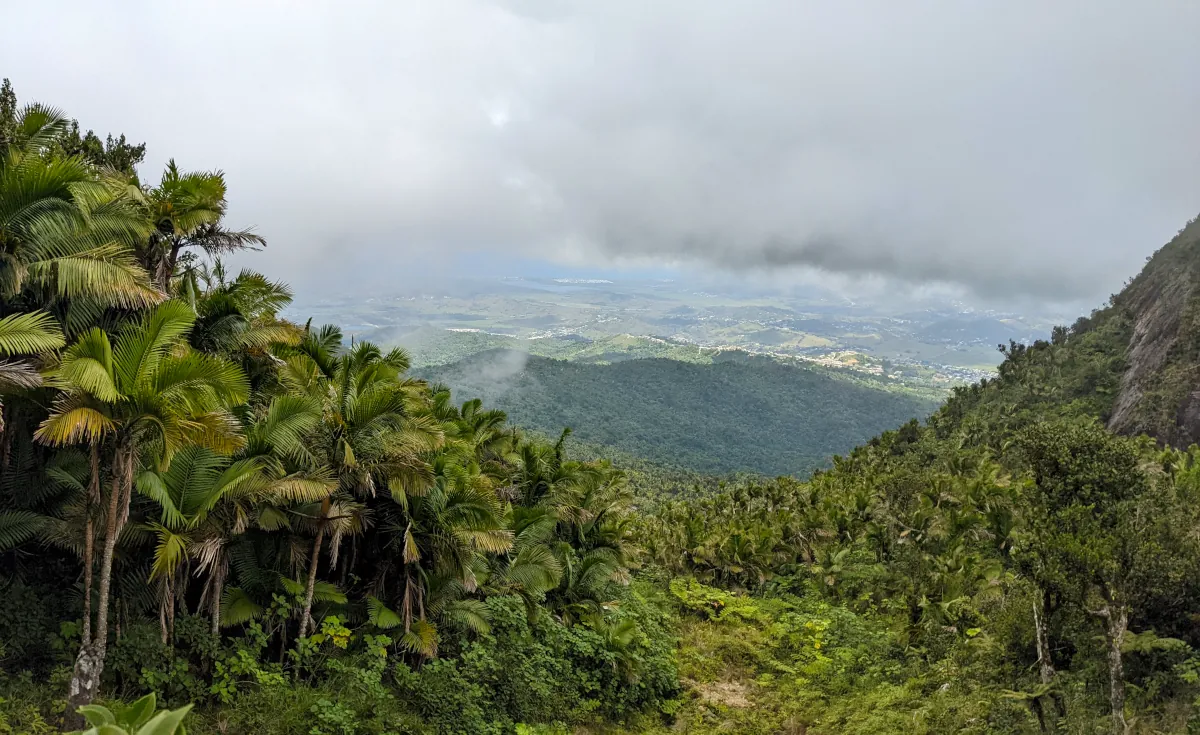
During the precolonial era, the Luquillo mountains, known as Yuké or "white land," derived their name from the peaks constantly shrouded in clouds and the spiritual significance attributed to them by the Taínos. Today, known as El Yunque, this forest spans 11,540 hectares. El Yunque is a protected area located across the municipalities of Río Grande, Naguabo, Luquillo, Ceiba, Canóvanas, Las Piedras, Fajardo, and Juncos. Within El Yunque, you will find unique soils that cannot be found elsewhere in Puerto Rico or even in the Caribbean. This, among other factors, makes El Yunque National Forest an area of immense ecological and cultural value.
The Angelito trail, one of the 15 main trails in the forest, honors Ángel Torres, a respected forestry worker who dedicated his life to caring for El Yunque. Ángel, seemingly born in the forest itself, was a tireless guardian of El Yunque throughout his life.
Custodians: United States Department of Agriculture (USDA)
Duration: 20 - 30 minutes
Easy *If it rains the trail can be slippery or muddy.
wear appropriate footwear, bring plenty of water, use sun protection, visit during the hours of least sun.
Free parking on PR-988, identified trail.
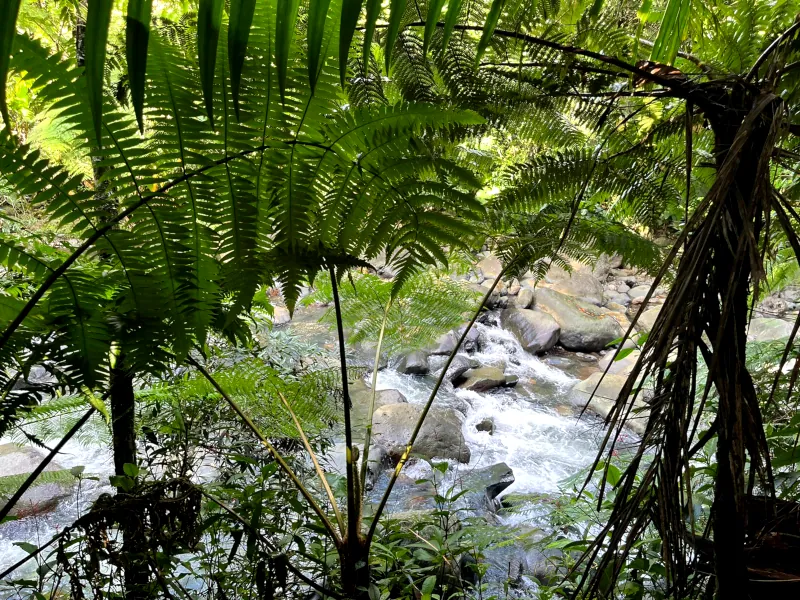
El Yunque has been recognized by the United Nations as a critical ecosystem for life in Latin America and the world. Since 2016, it has been included in the list of "Key Biodiversity Areas" due to its importance for biodiversity conservation in the region.
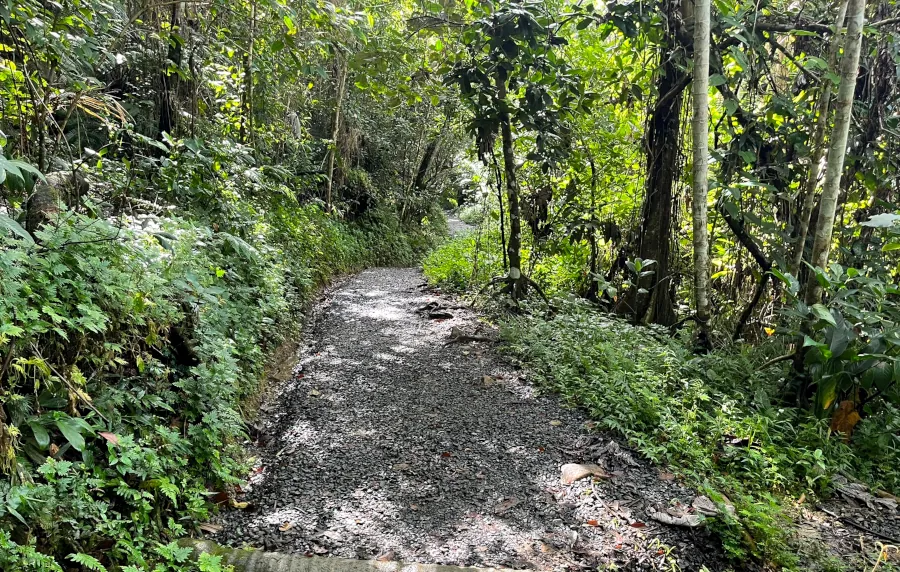
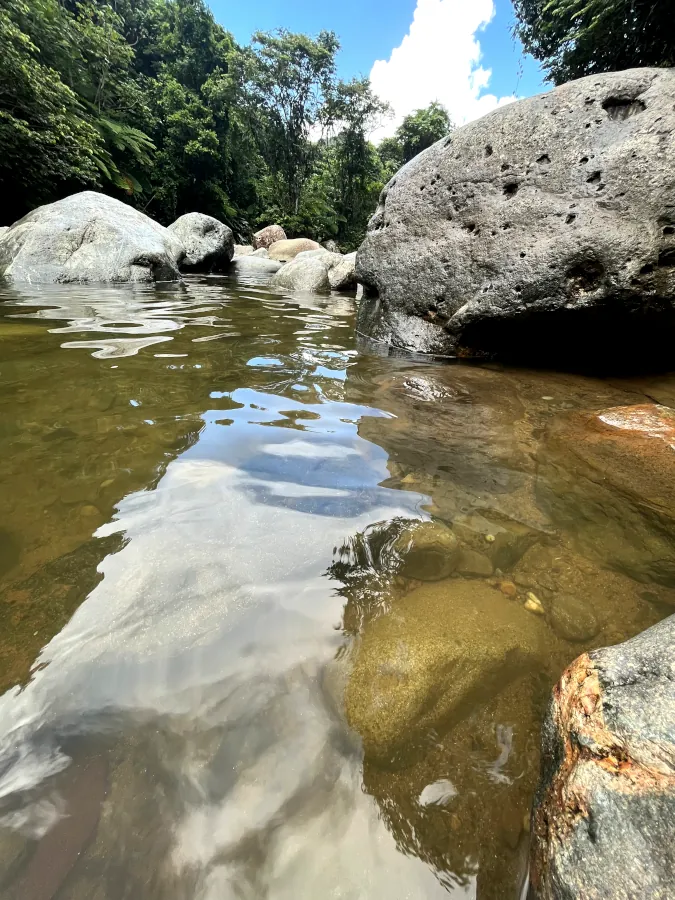
The Angelito trail, inaugurated in 2008, offers visitors an accessible route. With an elevation of less than 200 meters, the trail leads to the freshwater pools of the Mameyes river and is surrounded by recreational areas ideal for picnics and hiking.
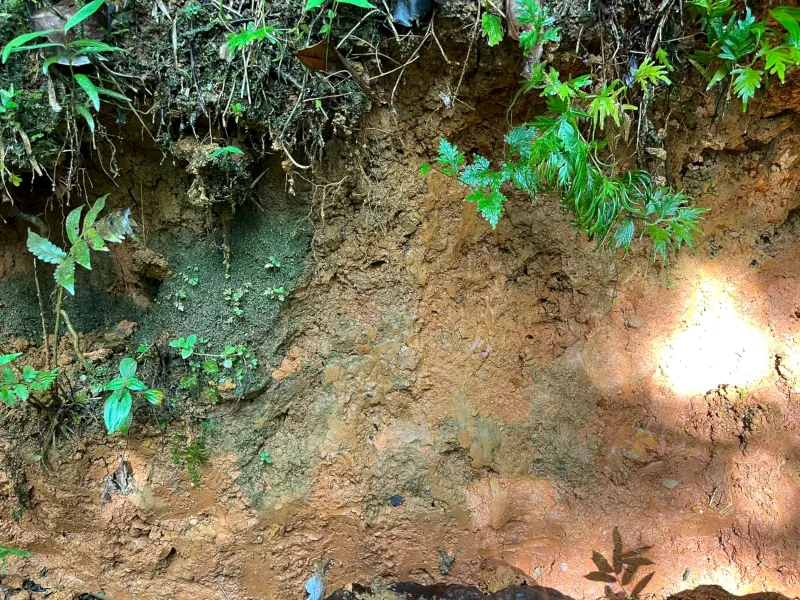
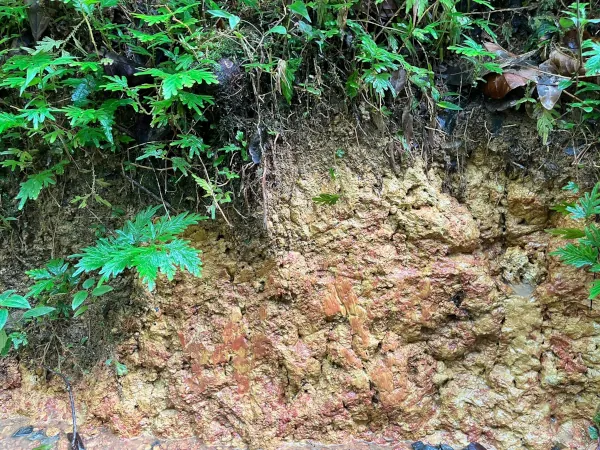
On the Angelito Trail, you can observe Zarzal and Cristal soil series, soils from the Oxisol order. These soils are notable for their mottling at significant depths, a characteristic feature of soils where iron oxide depletion and deposition occur due to water movement along the profile. This unique trait provides a valuable opportunity to observe geopedological processes in the forest.
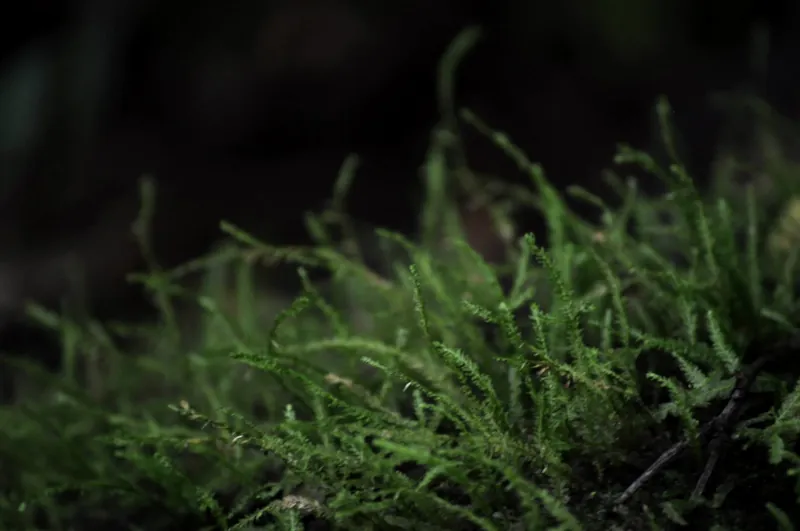
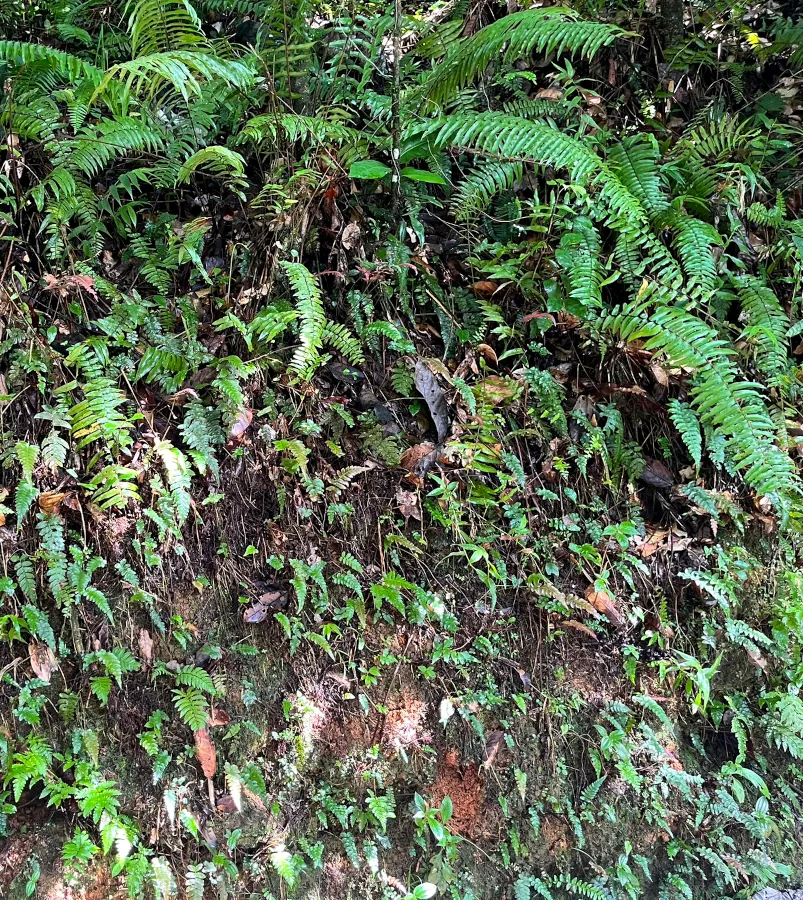
In areas with plenty of moisture along the Angelito Trail, you can find bryophytes adapted to these conditions. These small plants play a crucial role in the forest ecosystem by retaining moisture and creating microhabitats that benefit a wide variety of organisms.

A fascinating fact that connects soil and plants is how Prestoea montana palms dominate waterlogged areas with poorly drained soils, while trees tend to grow larger in locations with better drainage and deeper soils. This demonstrates how soil characteristics, such as depth and drainage, directly influence plant distribution and development.
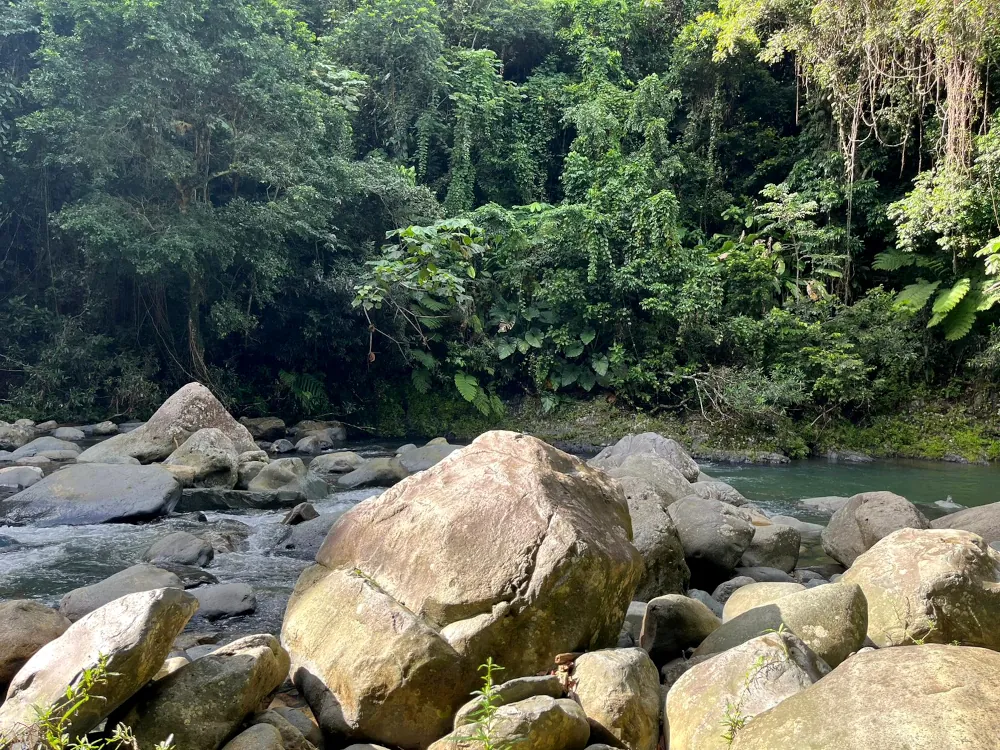
The rivers of El Yunque play a vital role in the forest's ecology and the entire archipelago of Puerto Rico. They supply water to over 20% of Puerto Rico's population, help regulate the local climate, and create habitats for numerous species.
Soils
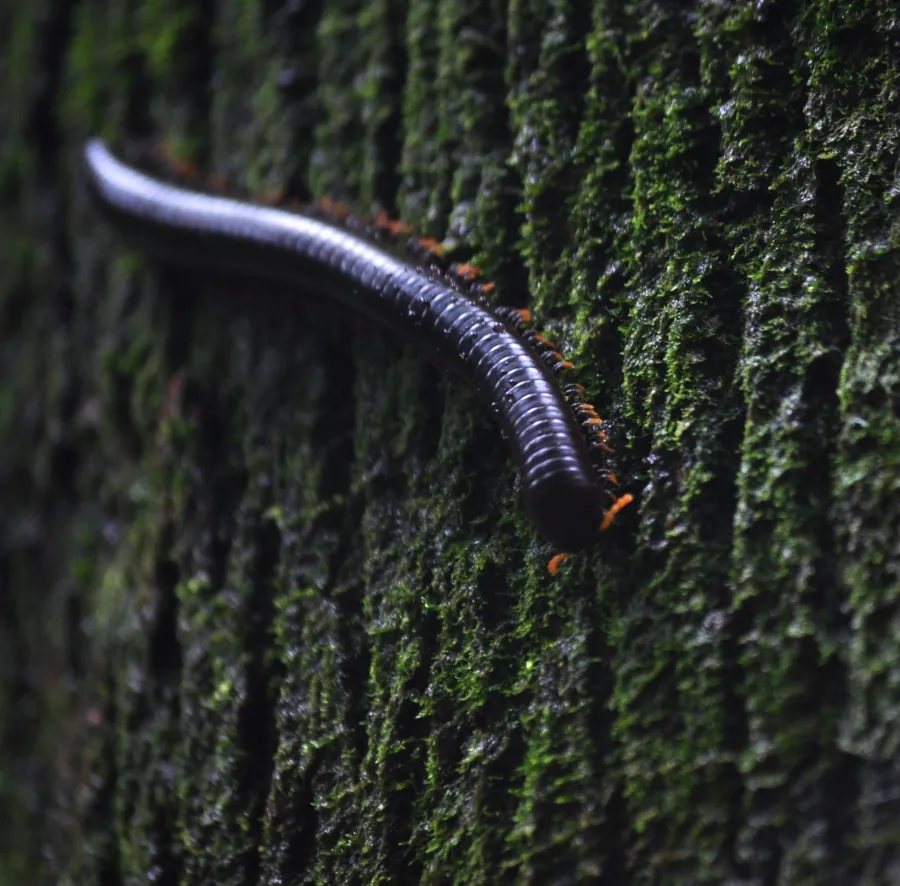
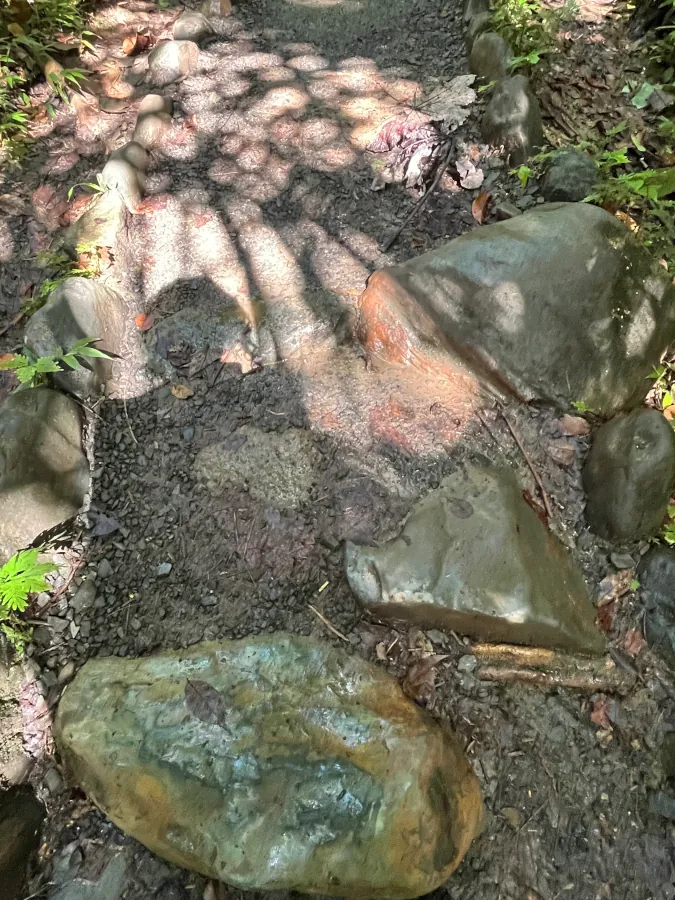
El Yunque National Forest is a rich and diverse amalgam of soils. Here you will find soils endemic to Puerto Rico and exclusive to the Caribbean. The soils of the Oxisol, Inceptisol and Ultisol order are moderately deep to very deep soils, located in mountainous regions with a humid tropical climate, receiving large amounts of rainfall per year.
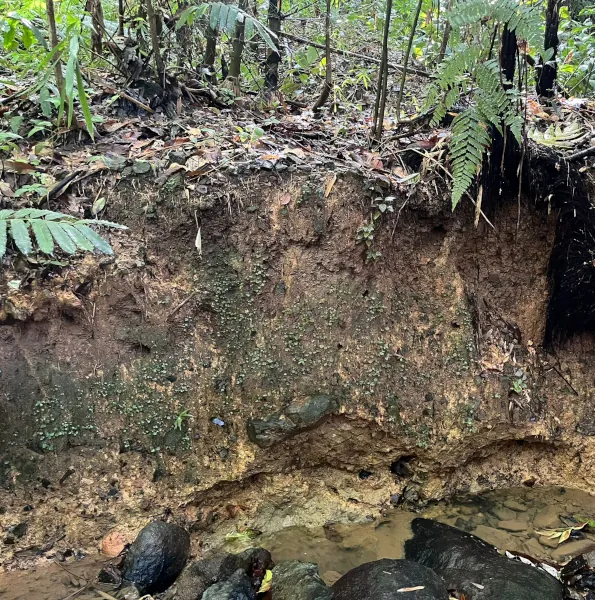
Series: Zarzal
Order: Oxisol
Taxonomic name: Very-fine, kaolinitic, isohyperthermic Typic Kandiudox
General description: The Zarzal series are very deep, well-drained soils with moderately slow permeability. They are found in mountainous regions with great inclination and altitude. The slope varies between 10 to 90 percent. They were formed from sandstone material residues.
Interesting Notes:
- Most of its areas are covered by forests.
- The primary use is for recreation, research, and wildlife habitat.
- The annual rainfall is approximately 80 inches.
Series: Cristal
Order: Inceptisol
Taxonomic name: Very-fine, parasesquic, isohyperthermic Aquic Dystrudepts
General description: The Crystal series are very deep soils with moderately slow permeability. They are found in concave regions of mountainous embayments, on lower slopes of volcanic hills, and on dissected mountains that are in high regions. The slope varies between 5 and 55 percent. They were formed from clayey colluvium derived from volcanic rock on silty and clayey residues eroded from volcanic rocks.
Interesting Notes:
- Crystal soil series are native forest soils containing autochthonous and introduced woody plants.
- They are used for recreation and research.
Series: Sonadora
Order: Inceptisol
Taxonomic name: Fine, smectitic, isohyperthermic Vertic Eutrudepts
General description: The Sonadora series are moderately deep soils, with good drainage and very slow permeability. They are found on slopes of low hills and on slopes of high regions with strong dissections. The slope varies between 20 and 60 percent. They were formed from eroded residues of the calcareous shale of the Hato Puerco formation.
Interesting Notes:
- Lands used for recreation, research, wildlife habitat, and watershed protection.
- Vegetation consists of native and introduced woody species.
- The average annual rainfall ranges from 75 to 80 inches.
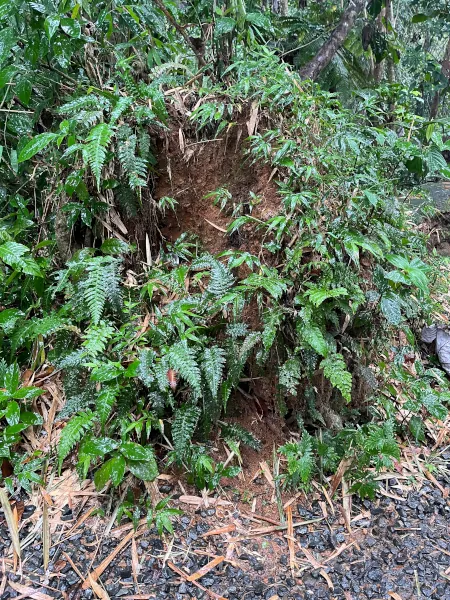
Series: Humatas
Order: Ultisol
Taxonomic name: Very-fine, parasesquic, isohyperthermic Typic Haplohumults
General description: The Humatas series are acidic, very deep, well-drained soils with moderately slow permeability. They are found in humid mountainous regions with slopes and dissected ridges. The slope varies between 5 and 60 percent. They were formed from clayey and silty material eroded from igneous rocks.
Interesting Notes:
- Most are used for native grasses, crop production, and coffee.
- This series is of greater extension in Puerto Rico.
- The average annual rainfall is approximately 78 inches.
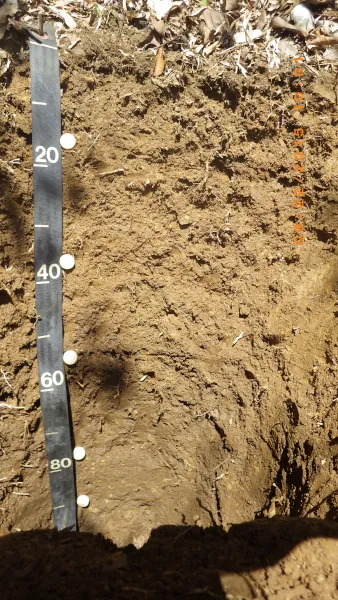
Series: Luquillo
Order: Inceptisol
Taxonomic name: Fine, mixed, semiactive, isohyperthermic Fluvaquentic Dystrudepts
General description: The Luquillo series are very deep, well-drained soil with moderately slow permeability. It is found on alluvial plains and on low terraces of large streams and rivers. The slope varies between 0 and 5 percent. It was formed on unconsolidated quaternary terraces and alluvium derived from volcanic sandstone.
Interesting Notes:
- The soils of this series are used for crops, native grasses, forests, and recreation.
- Their extent is quite limited, and they are only found in El Yunque National Forest.
- The average annual precipitation is approximately 80 inches.
Series: Mucara
Order: Inceptisol
Taxonomic name: Fine-loamy, mixed, superactive, isohyperthermic Dystric Eutrudepts
General description: The Mucara series are moderately deep soils with good drainage. They are found on mountain slopes and in humid valleys. The slope varies between 5 and 60 percent. They were formed from eroded volcanic rock residues.
Interesting Notes:
- Most soils are found in naturalized grasslands.
- Small areas are used for commercial crops and coffee.
- The Caguabo, Maraguez and Quebrada soil series are in similar landscape positions.
This Web Soil Survey map contains scientific information detailing the taxonomy (classification) of soils. The taxonomic classification of soils is summarized in abbreviations. By selecting these abbreviations, you will be able to access the soil series corresponding to that area. The soil profile is provided with its respective horizons (layers) for each soil. This information is provided by the National Cooperative Soil Survey compiled by NRCS (Natural Resources Conservation Service). It is considered one of the largest and most comprehensive databases in the United States.