
Humacao
Nature
Reserve
Humacao, Puerto Rico

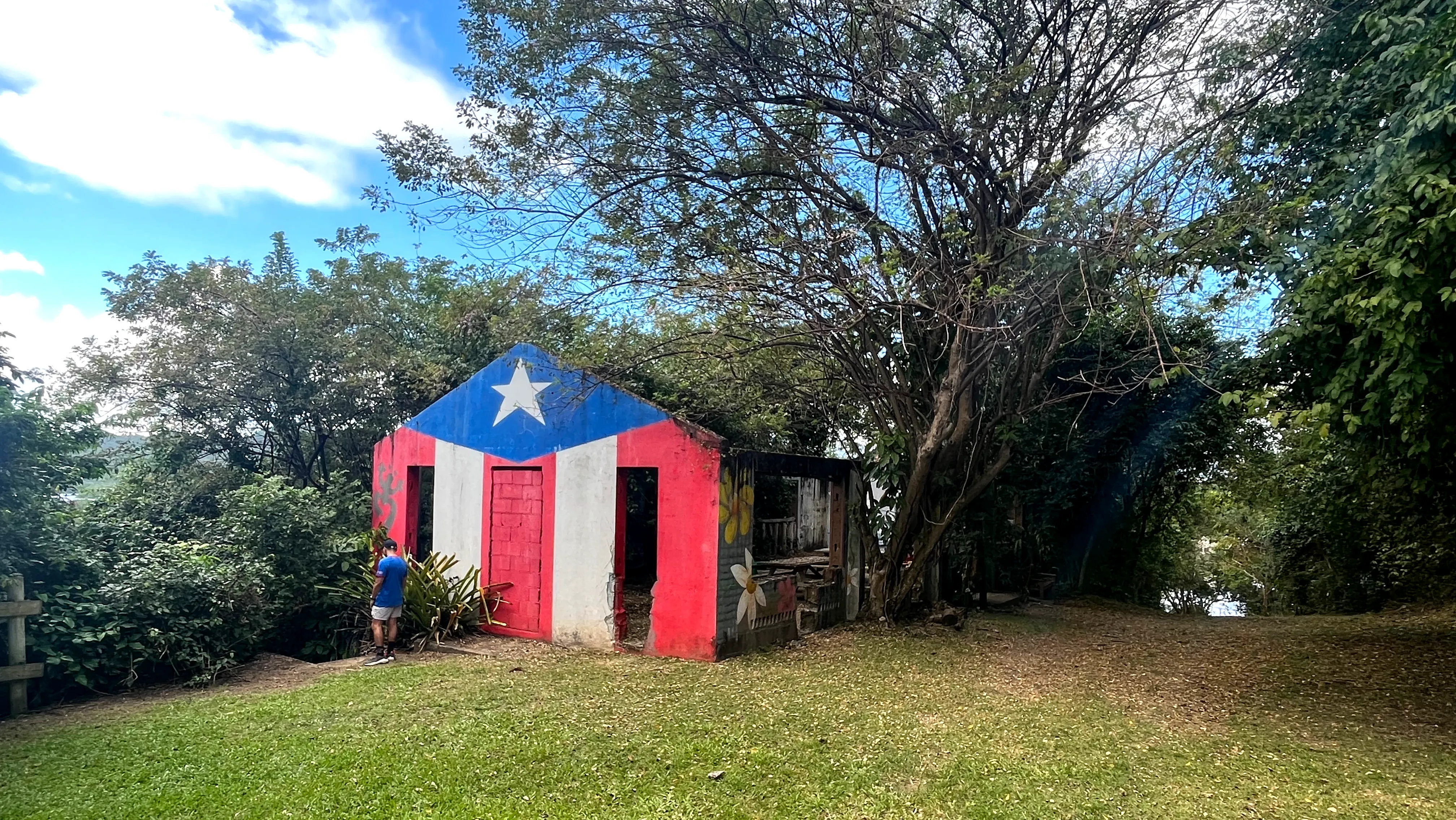
The Humacao Nature Reserve is located in the eastern region of Puerto Rico and covers a space of 3,200 protected acres between the municipalities of Humacao and Naguabo. It is part of the subtropical humid zone, characterized by alternate cycles of dry and rainy seasons. It is a place of remarkable ecological wealth because of its great diversity of ecosystems.
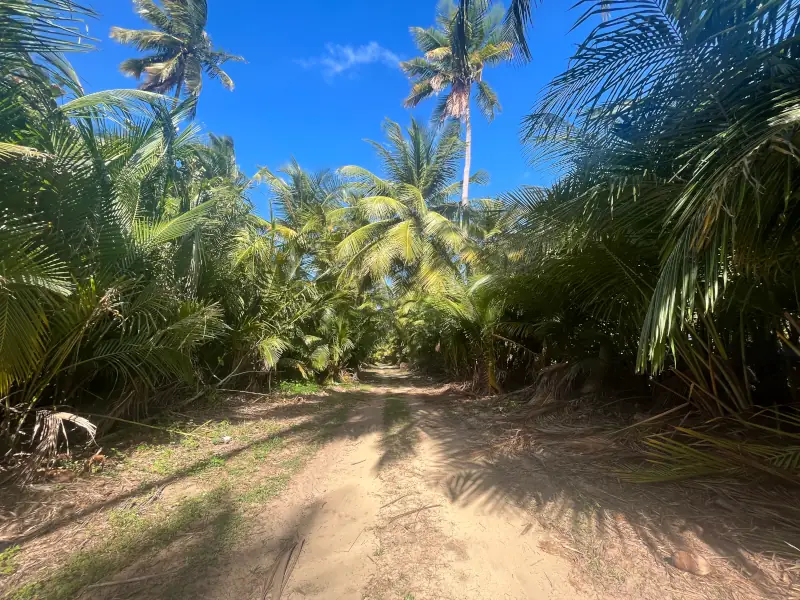
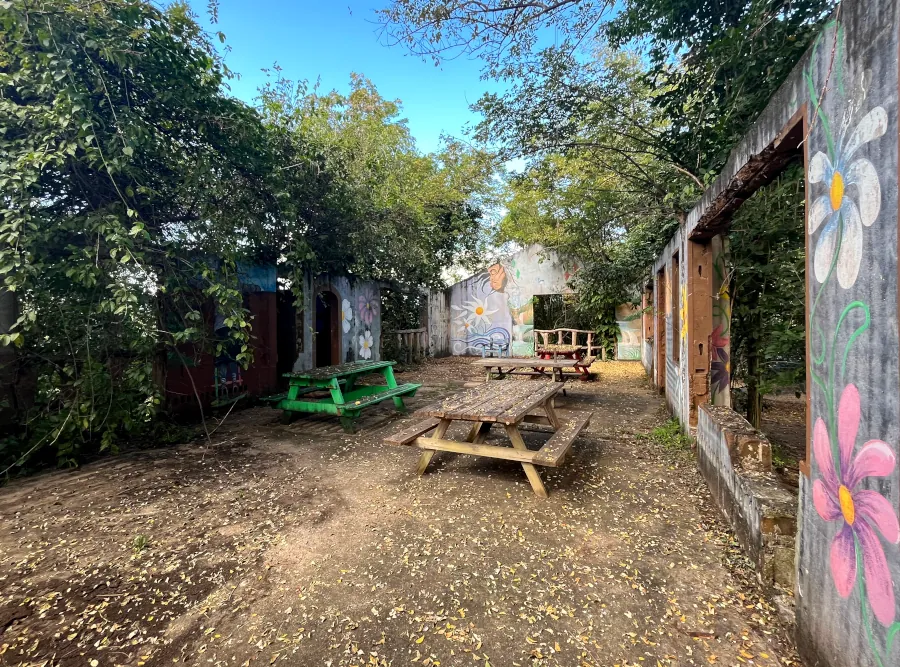
The Reserve collects an important part of our environmental history. It houses ruins that tell how humans have intervened and affected nature. At the same time it shows us how ecosystems recover thanks to natural phenomena such as storms and the relentless protection of local communities.
Custodians: Department of Natural and Environmental Resources (DRNA, by its Spanish acronym)
Route: aprox. 2 hours
easy
wear appropriate footwear, bring hydration, bring snacks to enjoy in the recreational areas.
Bathrooms, showers, gazebos, free parking, information center, bicycle and kayak rental centers, identified trails and floating platform for recreational fishing.
7:30 am - 3:30 pm
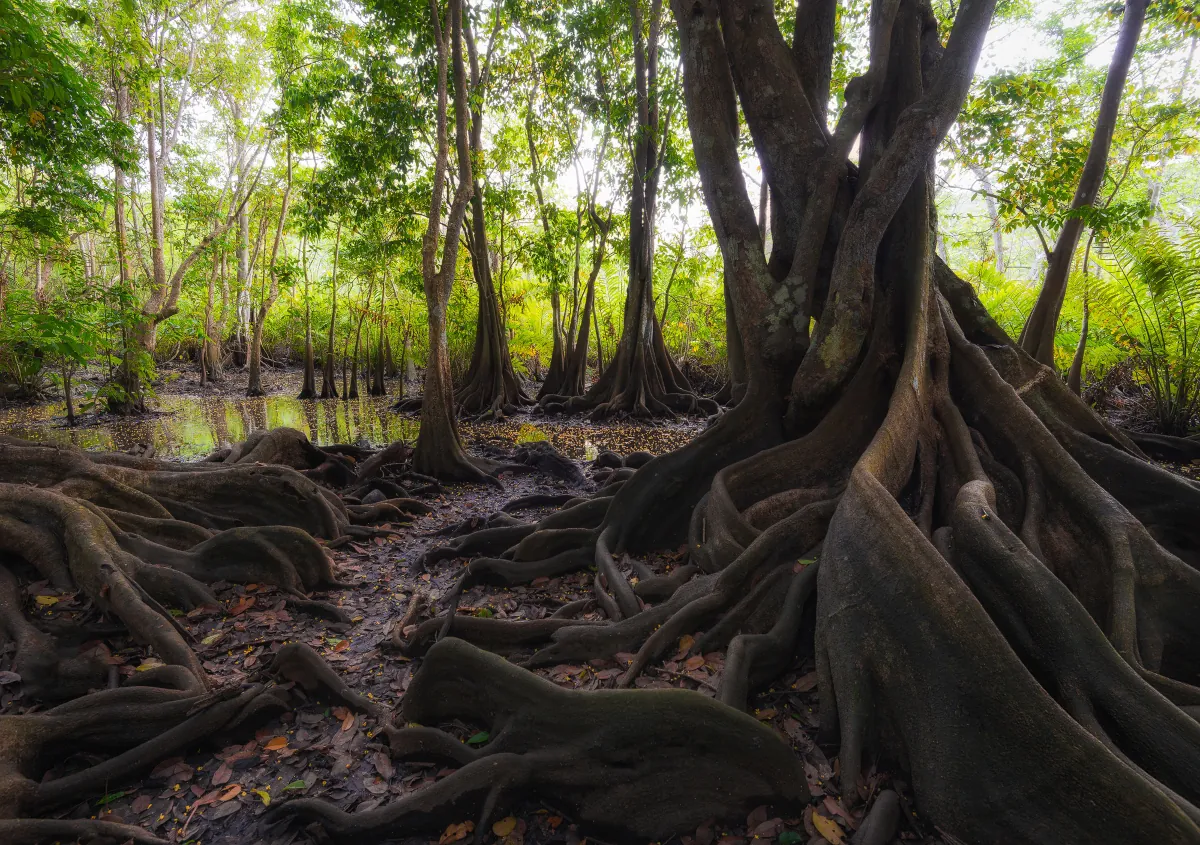
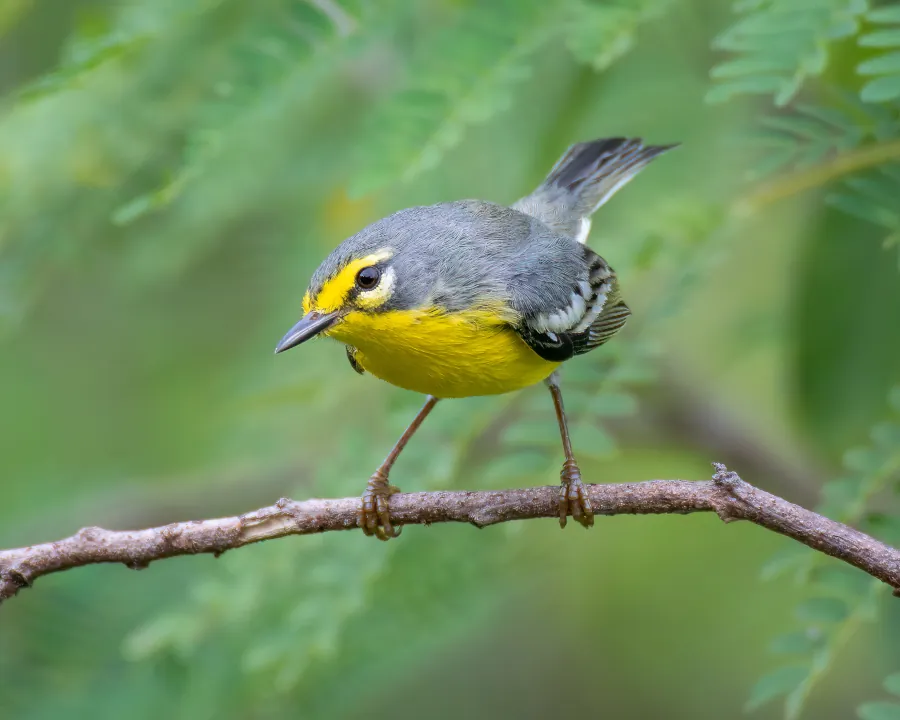
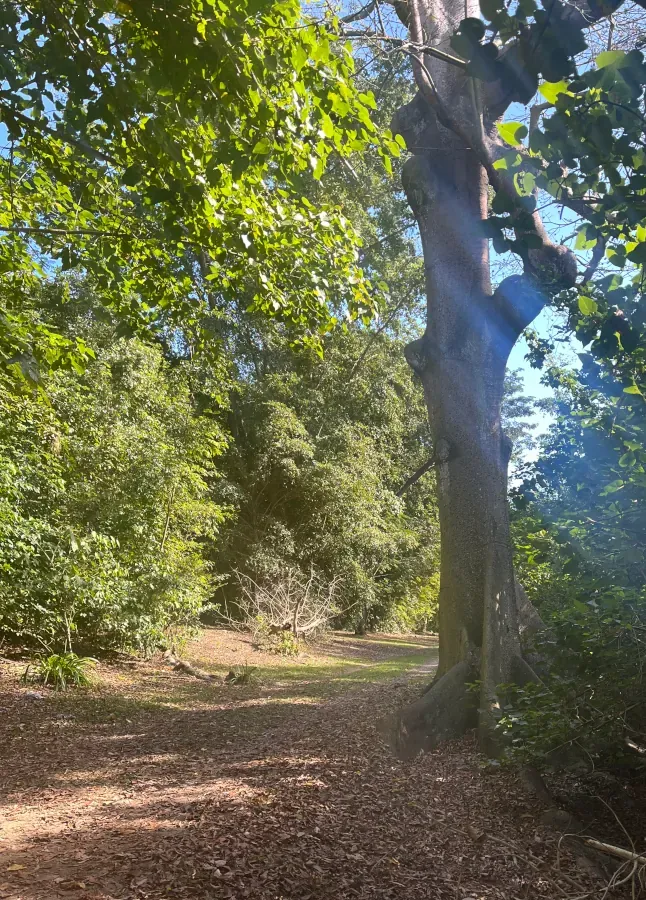
The Reserve is striking for its extensive wetlands and the largest stand of Pterocarpus officinalis, known as palo de pollo. The Pterocarpus Swamp and Forest is notable for being an area that has experienced little human disturbance and for this reason is a habitat of utmost importance for local wildlife.
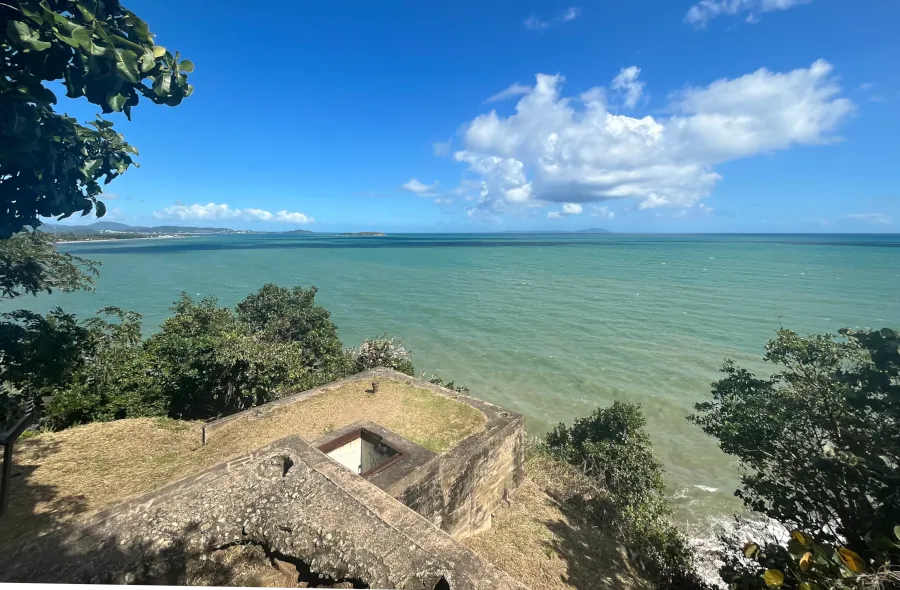
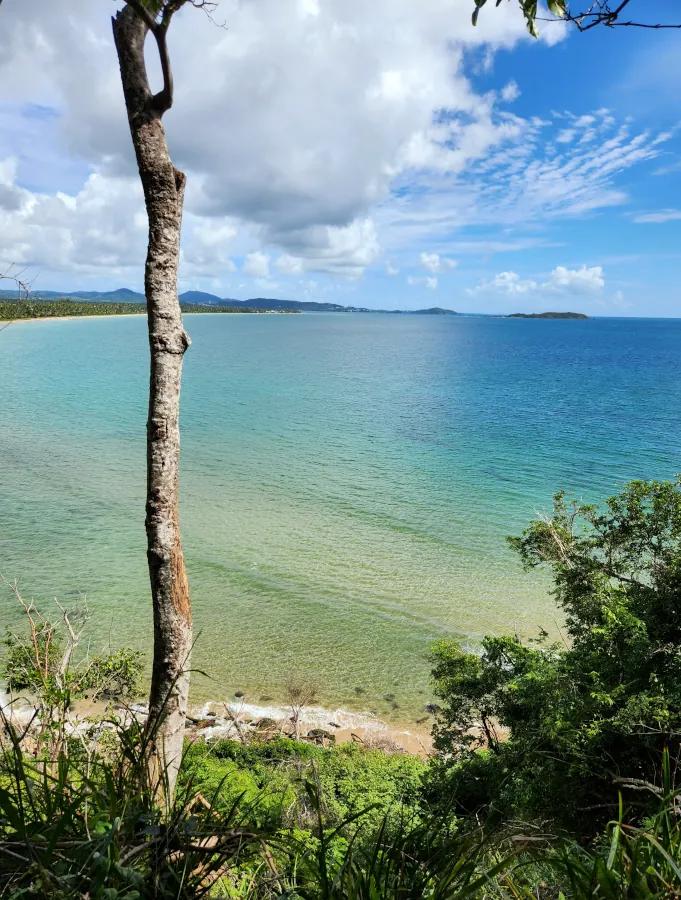
The topography of the Reserve is characterized by its relative flatness, interrupted only by two outcrops of volcanic lava: El Morrillo, a WWII military surveillance point, with an approximate height of 30 meters, and a mound that exceeds 40 meters in height in the Santa Teresa unit.
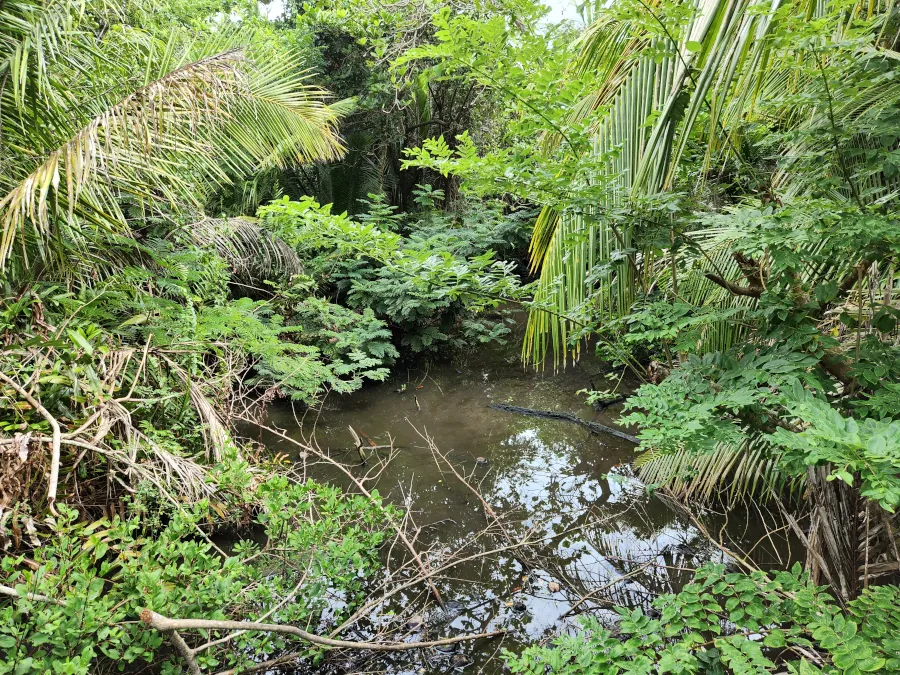
The Humacao Nature Reserve is located in the valleys and drainage areas of the Antón Ruiz, Río Blanco and Quebrada Frontera rivers.
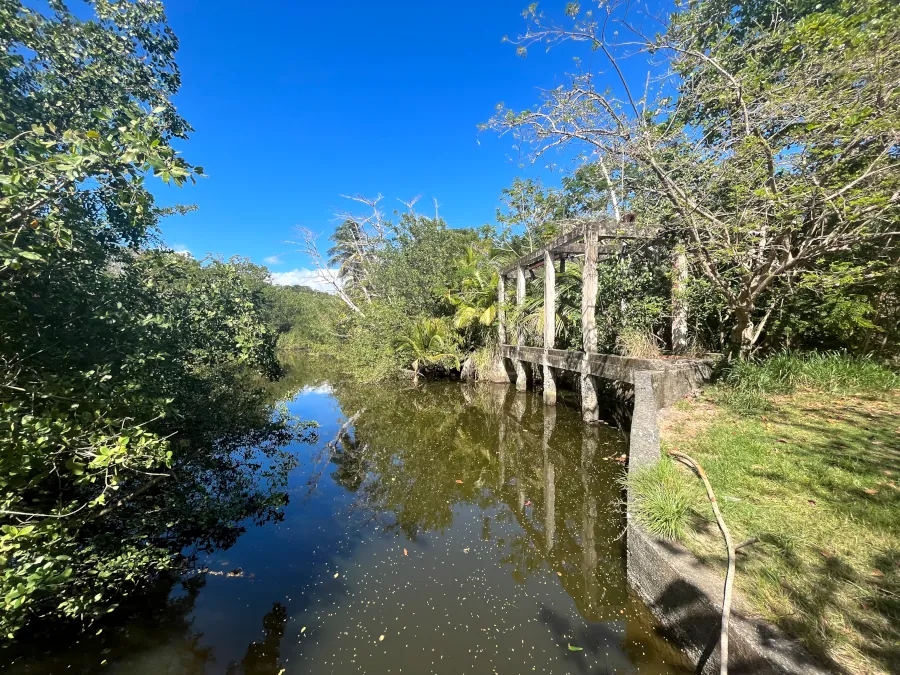
The reserve experiences an annual rainfall that ranges between 1,000 and 2,000 millimeters, exceeding evapotranspiration and generating a considerable flow towards the coast.
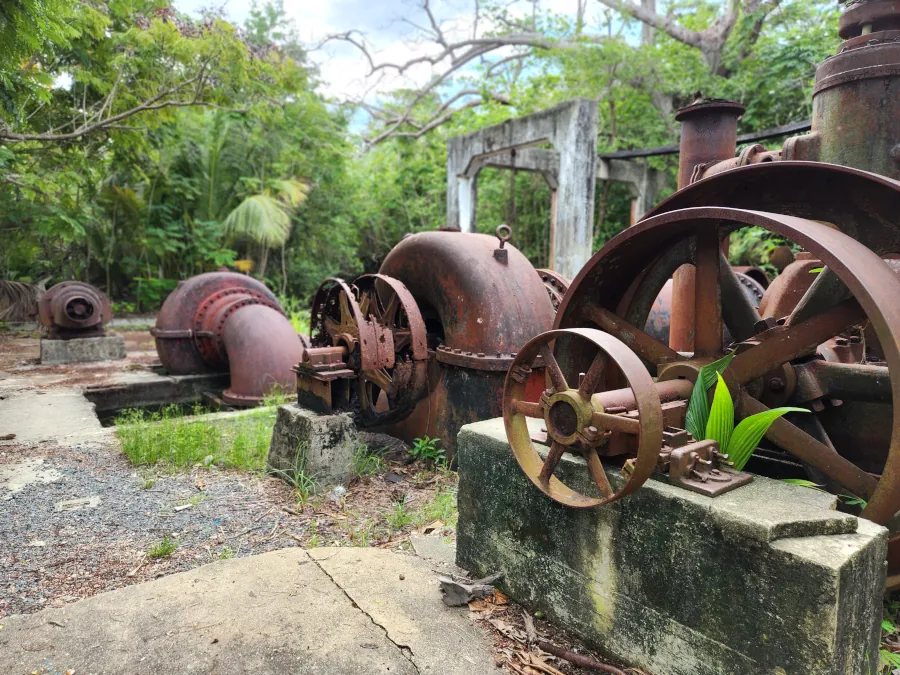
The wetlands were drained and deforested with the purpose of using wood and planting sugar cane until Hurricane David, in 1979, flooded the land and damaged the machinery. This, together with the community's efforts to protect it, led to the reserve existing today. The remains of the pumping machinery can be visited during your visit.
Soils
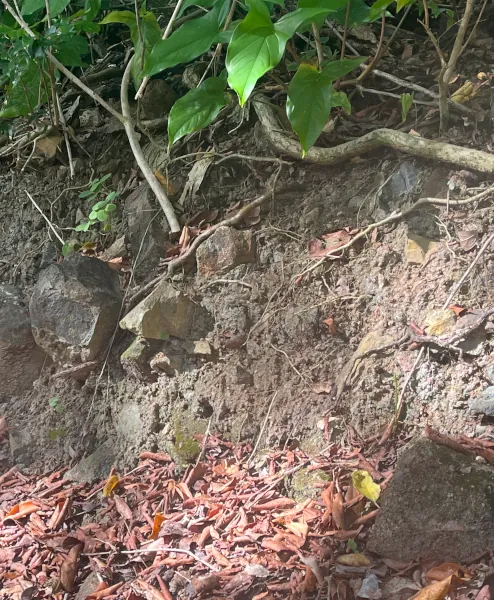
The soils of the Piñones, Pantanos Mareales, Fortuna, Ciénaga Salada and Aguadilla series predominate in the Reserve. In addition to these soil series, hydric soils have been identified. Many of the soil series, such as Piñones and Fortuna, are soils with little drainage and slow permeability, which gives them a high capacity to store water, sustaining the characteristic ecosystems found in the Humacao Natural Reserve.
Series: Piñones
Order: Inceptisol
Taxonomic name: Fine, mixed, superactive, acid, isohyperthermic Fluvaquentic Endoaquepts
General description: The Piñones series are deep, fertile soils with poor drainage, high expansion potential and very low permeability. They are found in alluvial and coastal plains of low elevation with slopes that vary between 0% and 2%. They are composed of fine-textured sediments that are superimposed on organic matter at different decomposition times.
Interesting Notes:
- The Piñones are the most abundant soil series in the Humacao Natural Reserve, with a greater presence in Mandri and Santa Teresa regions.
- This series was used for growing sugar cane once the water was extracted.
- The Piñones series is of little extension on the coasts of Puerto Rico.
Series: Pantanos Mareales
Order: Entisol
Taxonomic name: Isohyperthermic Hydraquents
General description: The Pantanos Mareales series are clay or sandy soils that are mostly submerged under salt water with decomposed organic material. They allow the growth of plants that tolerate salinity, halophilous plants such as para grass and calendula or Job's tears.
Interesting Notes:
- In Humacao Nature Reserve, these soils are located in the Pterocarpus Forest region.
- The Pantanos Mareales are affected by the tides.
- Are Important for the reproduction and development of many species such as fish, crustaceans and migratory birds as residents.
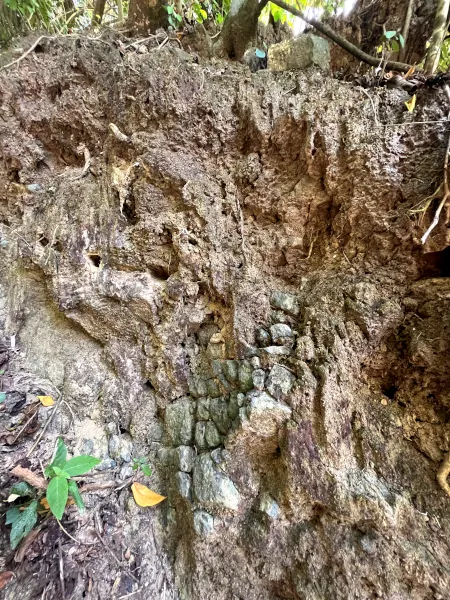
Series: Sabana
Order: Inceptisol
Taxonomic name: Clayey, mixed, active, isohyperthermic Lithic Dystrudepts
General description: The Sabana soil series are acidic, shallow and with moderate permeability. They also have a moderate capacity to store water and with a medium to rapid runoff. They are common on the tops of mountains with steep slopes ranging from 20% to 60%.
Interesting Notes:
- This series is present in the region of Santa Teresa and in the southwest region of the Humacao Natural Reserve.
- Its formation is from fine residues derived from volcanic rock.
- They are used mainly for native pastures and minor crops.
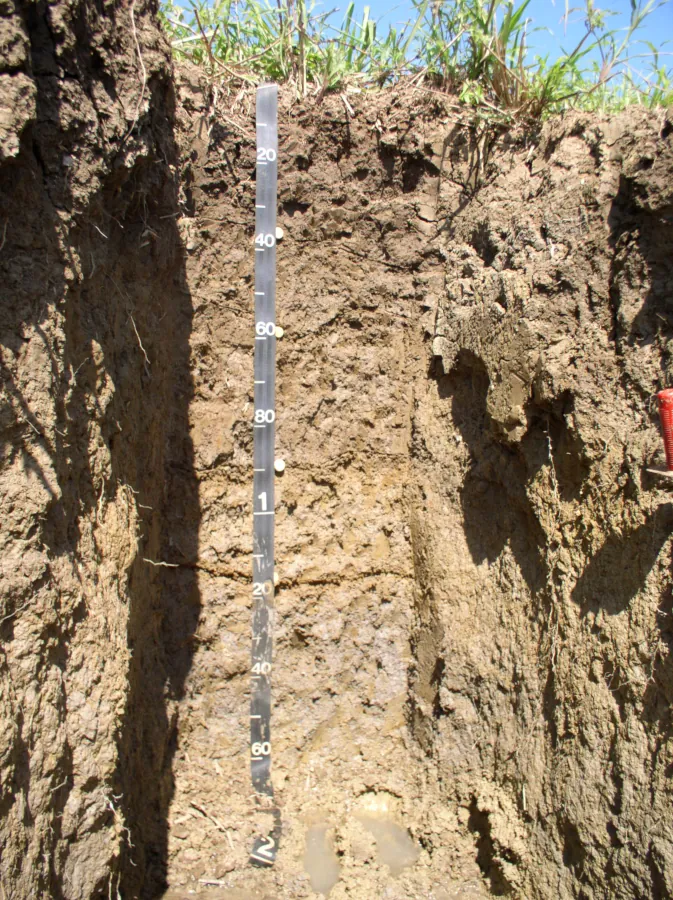
Series: Coloso
Order: Inceptisol
Taxonomic name: Fine, mixed, active, nonacid, isohyperthermic Vertic Endoaquepts
General description: The Coloso soil series are very deep and have poor drainage. They are found in river floodplains and on low terraces. It is composed of stratified silty and clayey alluvial sediments derived from volcanic and sedimentary rocks. The slopes vary between 0% and 2%.
Interesting Notes:
- The Coloso series is located northwest of the Humacao Nature Reserve.
- This soil series was used for sugarcane cultivation.
- Has occasional flooding.
Series: Rio Arriba
Order: Ultisol
Taxonomic name: Fine, mixed, subactive, isohyperthermic Vertic Paleudults
General description: The soils of Rio Arriba series are clayey, with a range from medium acid to medium alkaline. They have a moderately slow permeability and a medium to fast runoff. They are found on terraces and in alluvial fans with slopes that vary between 2% and 12%. They are made up of fine-textured sediments of mixed origin.
Interesting Notes:
- The Rio Arriba series is located northwest of the Humacao Nature Reserve.
- Most of it is used for sugarcane and pastures.
- This soil is found in the humid interior valleys of Puerto Rico.
Series: Maunabo
Order: Inceptisol
Taxonomic name: Clayey over loamy, mixed, semiactive, acid, isohyperthermic Typic Endoaquepts
General description: Maunabo soils range from very acidic to strongly acidic. They have poor drainage, slow permeability and runoff. The slope varies between 0% and 1%. They are formed by fine-textured sediments derived from granitic rock.
Interesting Notes:
- The Maunabo series is located south of the Humacao Nature Reserve.
- They are found in the alluvial plains of Puerto Rico.
Series: Ciénagas Saladas
Order: Entisol
Taxonomic name: Isohyperthermic Hydraquents
General description: The Ciénagas Saladas series are saline soils with high water saturation and very poor drainage. They are periodically flooded and mostly covered by grasses and seaweed.
Interesting Notes:
- In Humacao Nature Reserve, the Ciénagas Saladas soil series is found surrounding the Pantano Mareales soil series.
- They are important for wildlife.
- Periods of heavy rain generate fluctuations in the water table because rivers and streams end up draining into these areas.
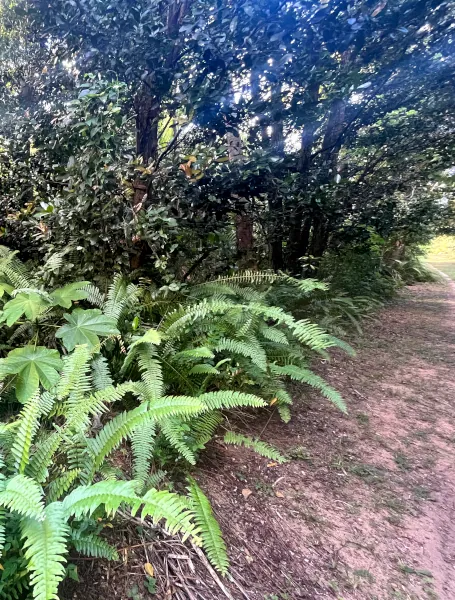
Series: Aguadilla
Order: Entisol
Taxonomic name: Mixed, isohyperthermic Typic Udipsamments
General description: The Aguadilla soil series are very deep, excessively drained and rapidly permeable. They have little capacity to retain water and low fertility. They were formed in sandy sediments derived from volcanic rocks and mollusk shells. Their slope varies between 0% and 2%.
Interesting Notes:
- In Humacao Nature Reserve, the Aguadilla soil series is found in the Mandri and Santa Teresa regions towards the coast.
- They are found in the humid coastal plains of Puerto Rico, just above sea level.
- They are used mostly for pastures and coconuts.
Series: Fortuna
Order: Inceptisol
Taxonomic name: Fine, mixed, active, acid, isohyperthermic Fluvaquentic Endoaquepts
General description: The Fortuna soil series are deep, clayey soils, with slow permeability and little drainage. They are naturally fertile and have a slow runoff. The slope varies between 0% and 2%. It is made up of clayey sediments of mixed origin.
Interesting Notes:
- In Humacao Nature Reserve, the Fortuna series soils are found in the western part of the Pterocarpus Forest and the Mandri region.
- Its distribution occurs in the humid floodplains of rivers in Puerto Rico.
Series: Junquitos
Order: Alfisol
Taxonomic name: Very-fine, mixed, active, isohyperthermic Aquic Hapludalfs
General description: The Junquitos series are moderately deep soils with moderately good drainage and slow permeability. They are formed by alluvial sediments of volcanic rock. The slope varies between 2% to 12%.
Interesting Notes:
- They are found in the Santa Teresa region of the Humacao Nature Reserve.
- In Puerto Rico, the Junquitos series are found in humid mountainous areas.
This Web Soil Survey map contains scientific information detailing the taxonomy (classification) of soils. The taxonomic classification of soils is summarized in abbreviations. By selecting these abbreviations, you will be able to access the soil series corresponding to that area. The soil profile is provided with its respective horizons (layers) for each soil. This information is provided by the National Cooperative Soil Survey compiled by NRCS (Natural Resources Conservation Service). It is considered one of the largest and most comprehensive databases in the United States.